Canning Basics for Beginners
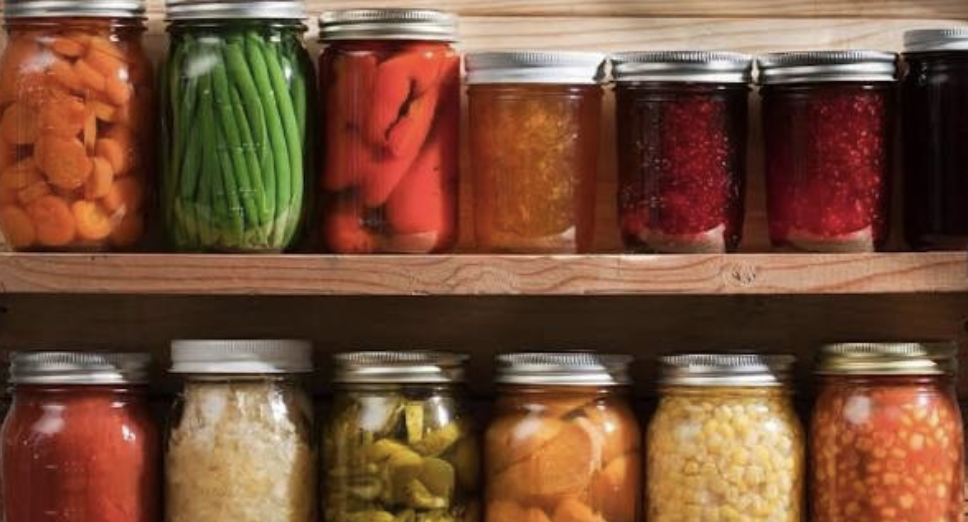
Everything You Need to Know Before You Start
If you've ever admired rows of beautiful home-canned jars and thought, “I wish I knew how to do that,” you’re in exactly the right place.
Canning is one of those skills that feels both practical and deeply satisfying. It helps you preserve the harvest, cut down on food waste, save money, and stock your pantry with food you feel good about serving your family. Whether you're picking vegetables from your own garden, buying produce at peak season, or taking advantage of a great sale, canning lets you enjoy that abundance long after it’s gone from the store shelves.
And here’s the good news; you don’t have to learn everything all at once. With a few basic principles and some trusted guidance, you can start canning safely and confidently today.
What Is Home Canning?
At its core, home canning is simply a way of preserving food by sealing it in jars and using heat to make it shelf-stable. The heat destroys harmful microorganisms, and as the jars cool, they form a vacuum seal that keeps the food safe until you're ready to use it.
When you follow tested methods, canning is one of the safest and most reliable ways to preserve food at home.
What Equipment Do You Need?
A lot of people assume canning requires a big investment in specialized tools, but that’s not really the case. You can get started with a handful of basic items.
You’ll want some mason jars in different sizes, along with new lids and reusable screw bands. I prefer wide mouth jars over regular as I find it easier to get food in and out of them and easier to clean them. A jar lifter makes handling hot jars much safer, and a canning funnel helps keep things neat when filling them. You’ll also need something to remove air bubbles (many people use a simple non-metal utensil) and a few clean kitchen towels.
Depending on what you plan to preserve, you’ll use either a water bath canner (or steam canner) or a pressure canner. That’s really the biggest equipment decision you’ll make starting out. As you gain experience, you might add a few extra tools, but these basics are more than enough to begin.
Water Bath vs. Pressure Canning
One of the most important things to understand early on is the difference between water bath canning and pressure canning. Each method is used for different types of food, and using the right one is key to canning safely.
Water bath canning is used for high-acid foods like jams, jellies, fruit preserves, applesauce, pickles, and most fruits. Tomatoes can also be water bath canned, but only when they’re properly acidified according to a tested recipe. These foods are naturally acidic enough to prevent the growth of harmful bacteria when processed correctly.
Pressure canning, on the other hand, is necessary for low-acid foods like vegetables, meats, poultry, soups, broths, beans, and potatoes. A pressure canner reaches temperatures much higher than boiling water, which is essential for safely preserving these foods.
Why Tested Recipes Matter
One of the best habits you can develop as a beginner is sticking to tested recipes. Unlike everyday cooking, canning isn’t the place to experiment with ingredient amounts or processing times.
Tested recipes have been carefully developed to ensure the food reaches the right acidity and temperature for safe storage. That’s what gives you peace of mind when you open a jar months later.
If you’re wondering where to find reliable recipes, trusted sources include the USDA Complete Guide to Home Canning, the National Center for Home Food Preservation, Ball® Canning, and your local Cooperative Extension Service. Following these guidelines means you can enjoy your hard work with confidence knowing that the food is safe.
How Do You Know If a Jar Is Properly Sealed?
Once your jars have cooled, it’s important to check each one before putting it away.
A properly sealed lid will curve slightly downward in the center and won’t move or “pop” when you press on it. If you remove the screw band, the lid should stay firmly in place.
If a jar doesn’t seal, don’t worry; it happens. Just pop it in the refrigerator and use it within a few days, or freeze it for later.
When Should You Throw a Jar Away?
Before opening any jar, take a quick moment to look it over. If something seems off, trust your instincts.
Signs that a jar should be discarded include a broken seal, leaking liquid, a bulging lid, visible mold, unusual bubbles or foam, or an unpleasant smell. If the contents spurt out when you open the jar, that’s another clear warning sign.
When in doubt, it’s always better to throw it out. It’s simply not worth the risk.
Start Simple
If you’re just getting started, the best thing you can do is keep it simple. Choose an easy recipe and focus on learning the process.
Applesauce, strawberry jam, pickles, peach halves, and apple butter are all great beginner projects. Each successful batch builds your confidence and helps you feel more comfortable with each step.
Download My Free Ultimate Canning Guide
If you’re ready to dive in, I’ve put together a free Ultimate Canning Guide to help you get started with confidence.
Inside, you’ll find a clear overview of the canning process, helpful equipment recommendations, and an easy-to-understand explanation of water bath versus pressure canning. I’ve also included tips for safe food handling, jar preparation and storage, signs of spoilage to watch for, and links to hundreds of trusted, tested recipes.
It’s designed to be a simple, go-to reference you can rely on before you can your very first jar.
👉 Download your free Ultimate Canning Guide below and start preserving with confidence.
I’d love to support you as you learn this timeless skill. Be sure to join my email list so you can receive seasonal preserving tips, homestead inspiration, and from-scratch recipes right in your inbox.
Happy canning!