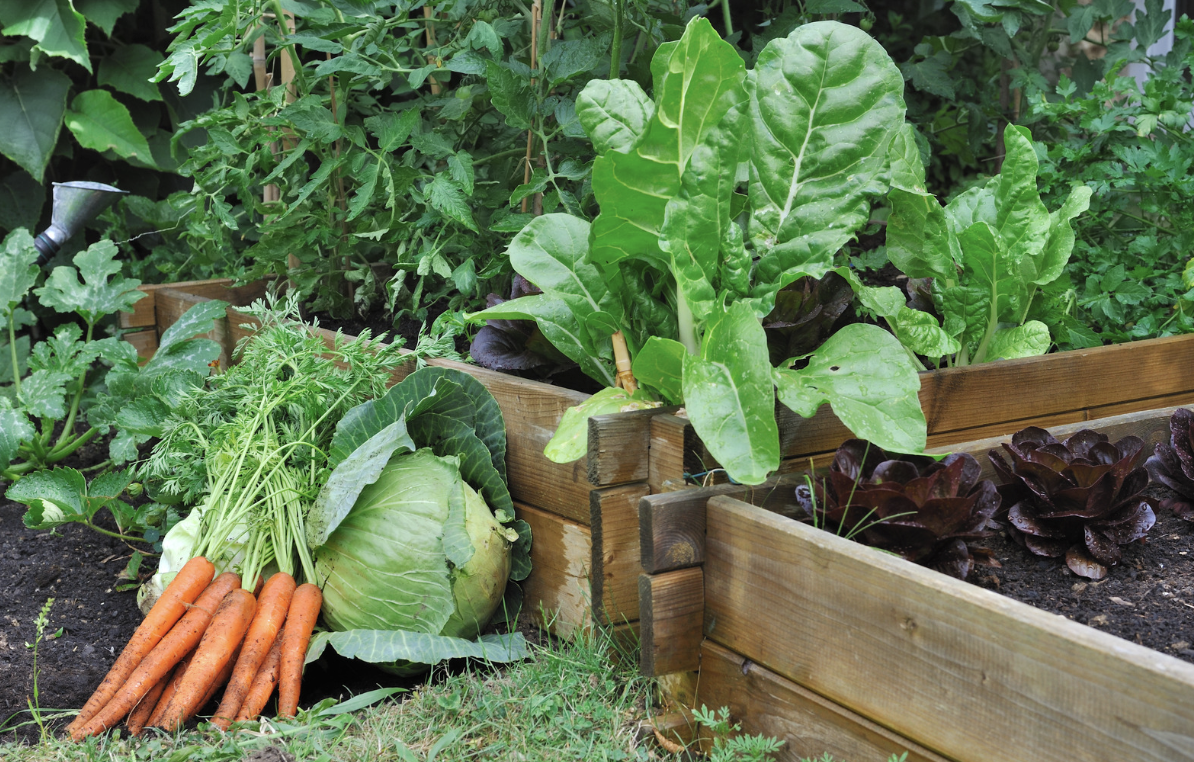
By the middle of summer, many gardeners begin to feel like the season is winding down. The tomatoes are producing, onions and garlic are coming out of the ground, and some garden beds are starting to look a little tired. It's easy to think the gardening season is almost over.
But nothing could be further from the truth.
Here in southwest Missouri, we still have nearly 100 days before our average first frost. That's enough time to grow another round of fresh vegetables, enjoy a second harvest, and continue putting food on your family's table well into the fall.
If you've been wondering whether it's too late to plant, let this be your encouragement: your garden season is far from over.
Why Fall Gardening Is One of My Favorite Seasons
While spring often gets all the attention, fall gardening comes with several advantages.
Cooler temperatures make spending time outside much more enjoyable, many insect pests begin to slow down, and cool nights actually improve the flavor of many vegetables. Crops like carrots, kale, spinach, and broccoli often become sweeter after a light frost.
Instead of fighting the intense heat of midsummer, you're working with the changing seasons to grow another abundant harvest.
What We're Planting Right Now
Our spring crops have finished producing, but those empty beds aren't staying empty for long.
This time of year we're starting another round of seeds so that we can plant another round of bok choy, cabbages, broccoli. We are also making sure we have seeds for lettuce, spinach, carrots, and snow peas. Many of these vegetables mature quickly and actually prefer the cooler temperatures of late summer and fall.
Don't Forget Succession Planting
One of the biggest gardening lessons we've learned is that you don't have to plant everything all at once. As one crop finishes, another can take its place. This practice, known as succession planting, helps you make the most of every garden bed and extends your harvest throughout the growing season.
For us, that means planting another round of green beans once our first planting begins slowing down. With nearly 100 frost-free days remaining, we have plenty of time for another harvest before cold weather arrives.
Other fast-growing crops that work well for succession planting include green beans, summer squashes, and cucumbers. Instead of letting garden beds sit empty, we're asking ourselves one simple question: What else can this space produce before winter?
Save Seeds for the Future
One of the joys of gardening is realizing that each season prepares you for the next. This year we're saving seeds from our snow peas and bok choy for future plantings, and we're setting aside our best elephant garlic bulbs to replant this fall. Saving seeds doesn't just save money. It also helps build resilience and keeps you connected to the rhythms of your own garden.
Refresh Your Garden Beds
Before planting again, take a little time to care for your soil. Pull out spent plants, remove weeds, add compost or other organic matter, and give the beds a good watering. Healthy soil is one of the best investments you can make in your garden, and every season is an opportunity to improve it.
Gardening Is a Year-Round Rhythm
One of the biggest mindset shifts we've experienced is realizing that gardening isn't a single event each spring. It's a rhythm that continues throughout the year. Spring is for planting. Summer is for tending and harvesting. Late summer is for planting again. Fall is for another harvest and planting garlic for next year. Winter is for planning, dreaming, and preparing.
There's almost always something happening in the garden.
Start Where You Are
If you've never planted a fall garden before, don't feel like you have to fill every available space. Start with one raised bed. Plant a few rows of lettuce. Try a packet of radish seeds. Sow another round of green beans. Small steps often lead to bigger harvests than we ever imagined.
And if you are new to gardening, fall can be a great time to start because you will not have to fight as hard to keep your garden healthy and free from pests and disease that are commonly prevalent in the spring and early summer.
The Garden Is Always Teaching Us
Every year the garden reminds us that endings often create room for new beginnings. Just because one crop is finished doesn't mean the season is over. There is still time to grow. There is still time to learn. There is still time to plant something new.
If you've been looking out at your garden wondering if it's too late, consider this your invitation to head back outside. Pull a few spent plants, freshen up a bed, and sow another handful of seeds.
You might be surprised by just how much food and joy can still grow before the first frost.
Listen to the Podcast
In this week's episode of Handmade Happiness, Thomas and I talk more about fall gardening, succession planting, seed saving, and why we believe some of the best gardening of the year is just getting started.
If you enjoyed this article, we'd love for you to listen to the conversation and subscribe so you never miss an episode.
Happy planting!