My flock of chickens and ducks are still producing quite a few eggs, even though we are right in the middle of winter. One way I put my surplus of fresh eggs to use is by making pasta. Making fresh pasta from scratch is one of those kitchen skills that feels extra special, but is surprisingly simple. With just two cups of flour and three eggs, you can create tender, flavorful pasta that elevates even the simplest meal. Whether you roll it into silky linguine noodles or fill it with cheese for homemade ravioli, fresh pasta is always worth the effort.
This is my go-to pasta dough recipe. I’ve included options for using fresh milled flour or adding sourdough starter for a longer, fermented dough.
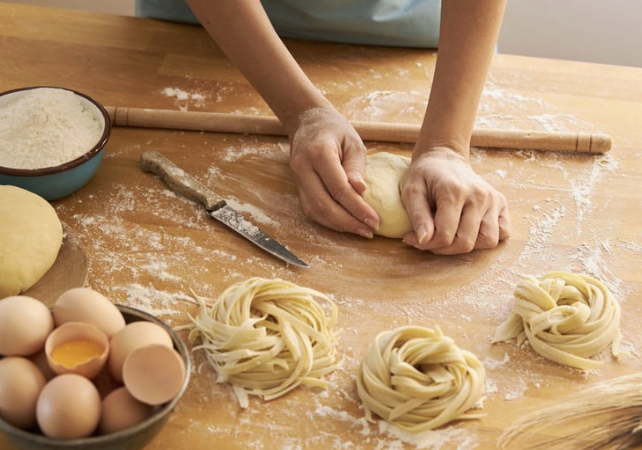
Why Make Homemade Pasta?
Simple ingredients you already have on hand
Better texture and flavor than store-bought pasta
Easy to customize with different flours or fermentation
A fun, hands-on kitchen project (great for kids, too!)
Basic Fresh Pasta Dough Recipe
Ingredients:
2 cups flour (all-purpose or fresh milled flour, I use 1 cup soft white wheat and 1 cup durum/ semolina )
3 large eggs
1 tsp salt
How to Make Fresh Pasta Dough
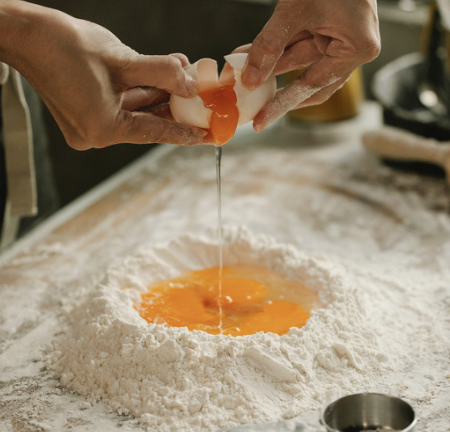
Form the dough
Place the flour in a mound on a clean work surface. Make a well in the center and pour in the eggs.Mix
Using a fork, gently whisk the eggs, slowly pulling in flour from the edges until a shaggy dough forms.Knead
Knead the dough by hand for 8–10 minutes until smooth and elastic. If the dough feels sticky, dust lightly with flour.Rest
Wrap the dough tightly and let it rest at room temperature for at least 30 minutes. This allows the gluten to relax, making it easier to roll.
Making Pasta with Fresh Milled Flour
You can absolutely make this fresh pasta using fresh milled flour, and the flavor is incredible.
Tips for success:
Use fresh milled soft white wheat or a blend of soft and hard wheat. My go to has been half solft white wheat and half durum/ semolina.
Start with 2 cups fresh milled flour, but expect to adjust slightly
If the dough feels dry, add a teaspoon of water at a time
Knead thoroughly—fresh milled flour benefits from extra kneading. You can even let your stnad mixer do the job for you.
Fresh milled pasta will have a slightly heartier texture and richer wheat flavor. The semolina flour is a little courser than the soft wheat and may give the pasta a more rustic texture. If you prefer a silkier pasta, all soft white wheat may be the way to go.
Sourdough Pasta Dough
Adding sourdough starter to your pasta dough creates a more complex flavor and makes the pasta easier to digest. This sourdough pasta works beautifully for both noodles and filled pasta.
Ingredients:
2 cups flour
3 large eggs
¼ cup active sourdough starter
1 tsp salt
Instructions:
Mix and knead as usual, following the instructions above.
Wrap the dough tightly.
Ferment at room temperature for 4–6 hours, or refrigerate overnight for a longer, slower ferment.
Bring dough back to room temperature before rolling.
Rolling and Cutting Fresh Pasta
After resting (or fermenting), divide the dough into manageable pieces.
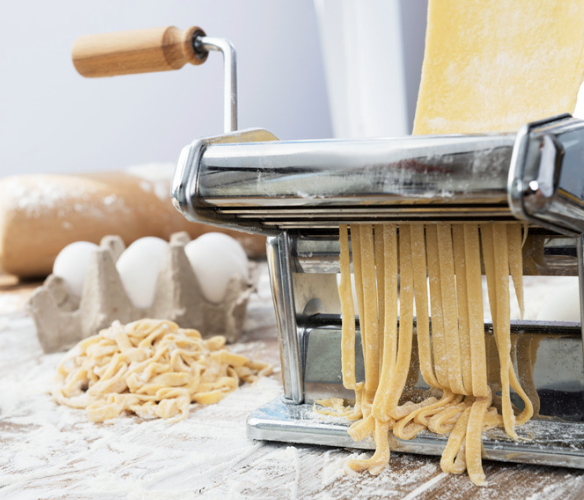
Roll by hand with a rolling pin and cut by hand or use a pasta roller machine.
My Favorite Ways to Use Fresh Pasta
Linguine Noodles
Roll the dough thin and cut into long strands. Toss with butter, cream sauce, or simple olive oil and herbs. These noodles also hold up really well in a hearty sauce (my favorite is slow cooked oxtail ragu)
Homemade Ravioli
Fresh pasta dough is perfect for ravioli. Fill with:
Ricotta and herbs
Spinach and cheese
Roasted squash or mushrooms
Roll the dough into a sheet. Space out spoonfuls of filling over pasta. Top with a second rolled sheet of pasta. Use a knife or pasta wheel to cut out the individual ravioli. Seal well, boil gently, and serve with your favorite sauce.
Cooking Fresh Pasta
Fresh pasta cooks much faster than dried pasta.
Boil in well-salted water
Cook for 2–4 minutes, just until tender
Drain and serve immediately
Drying Fresh Pasta for Storage
If you’d like to make extra pasta to store for later, fresh pasta can easily be dried. After cutting your noodles (linguine works especially well), lightly dust them with flour and lay them in loose nests on a drying rack or a clean towel. Let the pasta air-dry at room temperature for a day or two, turning once or twice to ensure even drying.
Once completely dry and brittle, store the pasta in an airtight container or jar in a cool, dry place for up to 2 months. Dried homemade pasta cooks just like store-bought, simply boil in salted water until tender.
Final Thoughts
Fresh pasta is one of those foundational kitchen skills that feels both old-fashioned and deeply satisfying. With just flour and eggs, you can create meals that feel special any day of the week. Whether you’re using fresh milled flour, adding sourdough starter, or shaping it into linguine or ravioli, homemade pasta is always worth returning to.
If you’ve never made pasta from scratch, this is your sign to try; it’s simpler than you think.